Overview
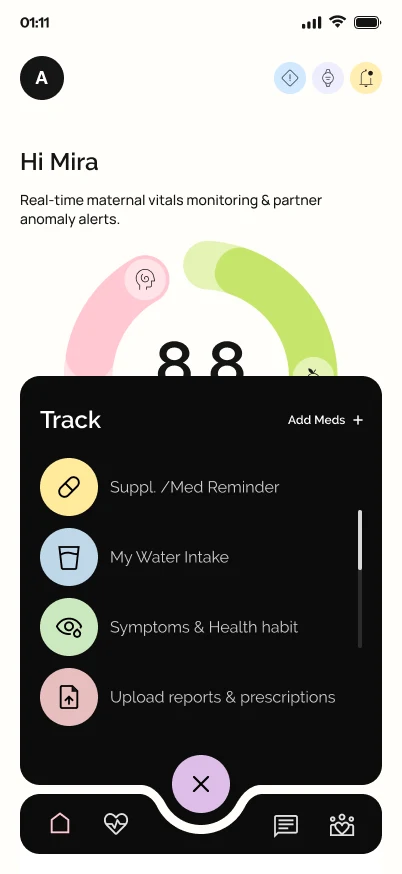
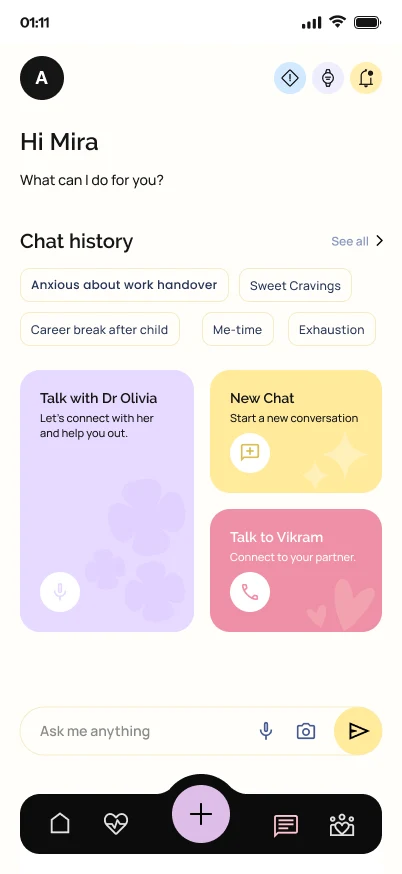
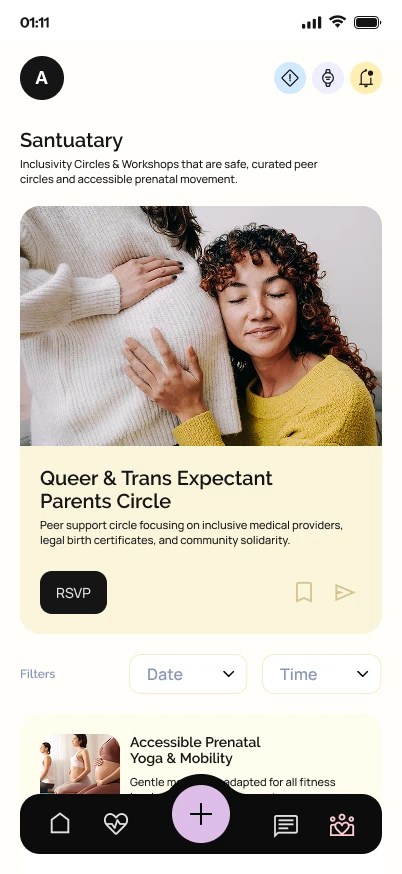
Post-birth, maternal support from apps, clinics, family, and workplaces often ends abruptly. In contrast, Adoré is designed to provide continuous care. By keeping the woman at the center, it offers consistent, familiar support before, during, and for a full year after pregnancy.
Categories
Year
Role
Disciplines
The Problem
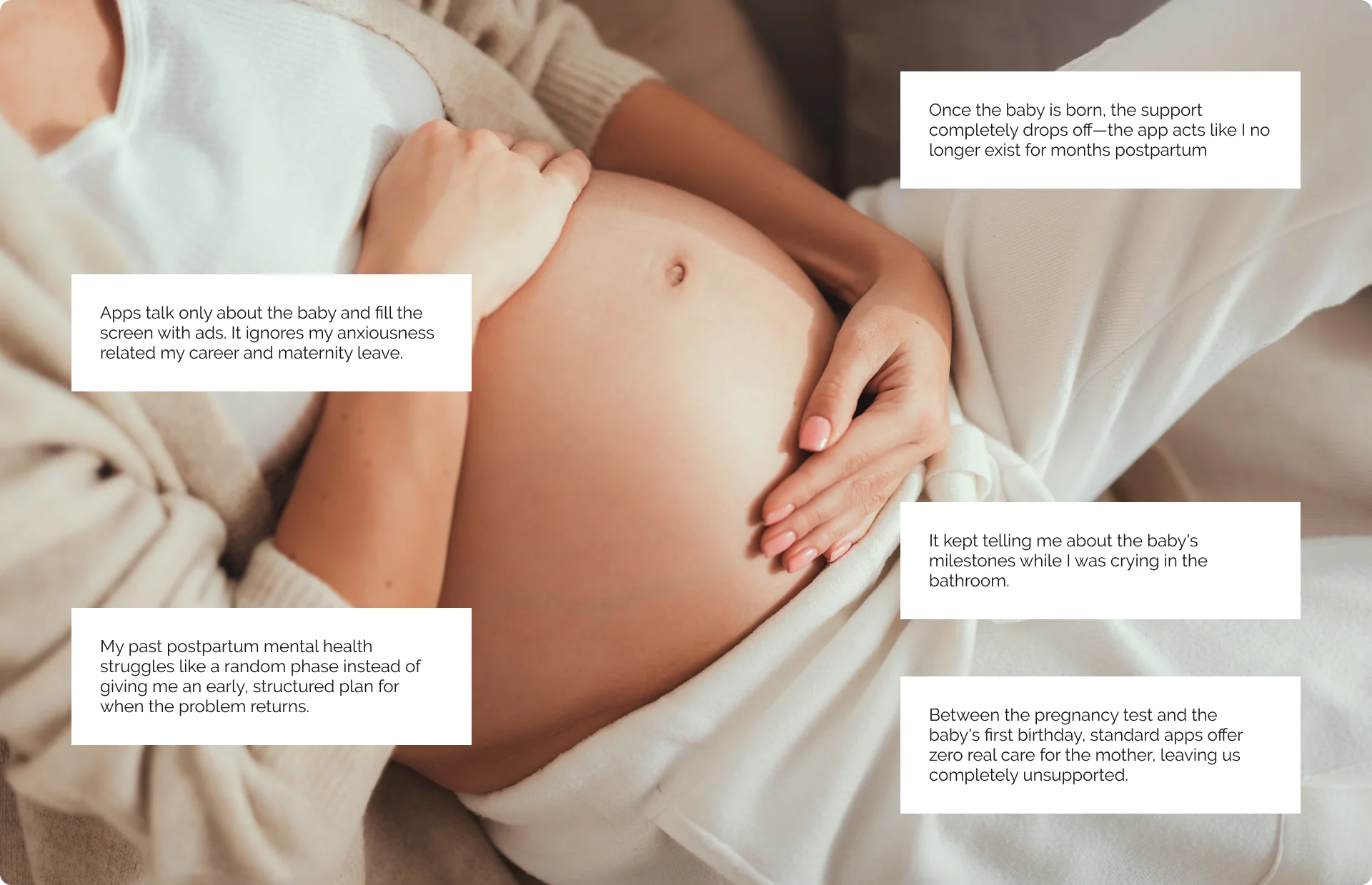
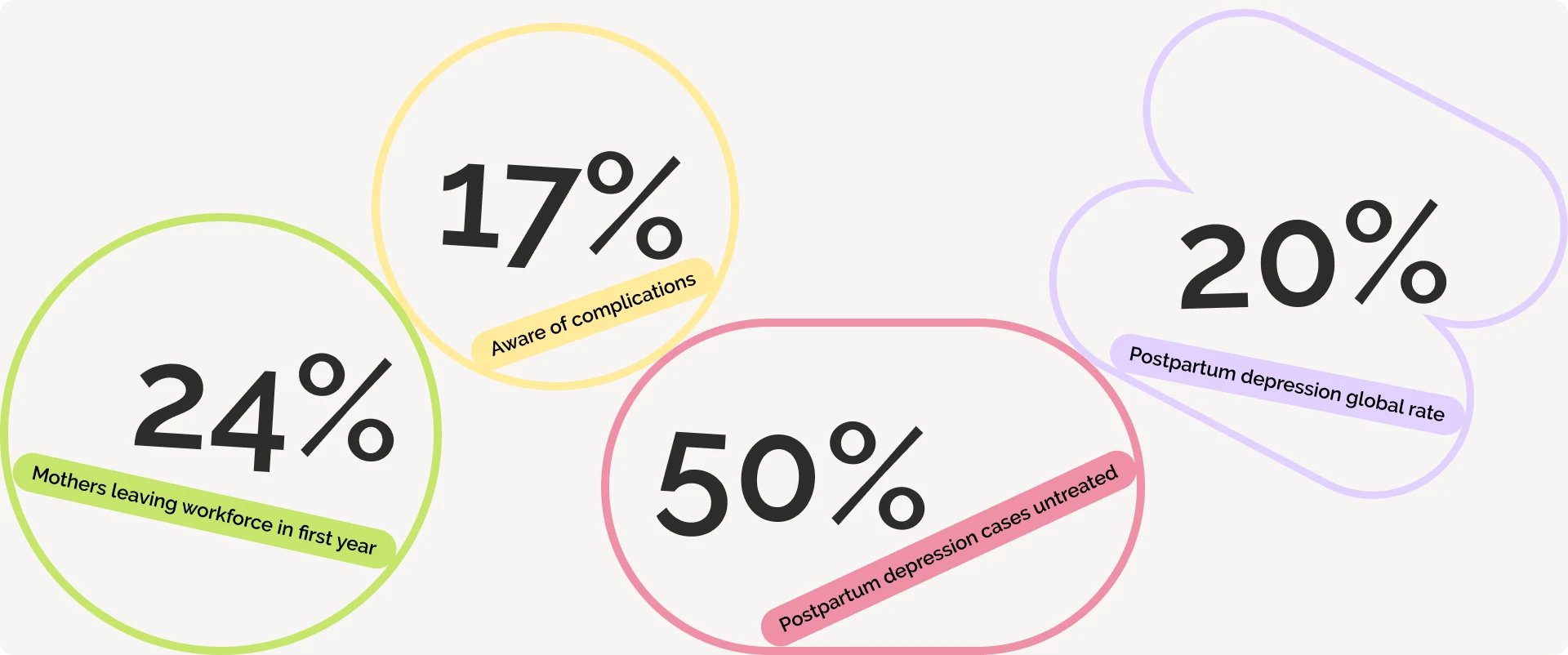
New mothers everywhere get too much information, but far too little real care. The market is flooded with pregnancy apps claiming to support women, yet most function as data-harvesting engines. They commodify intimate health metrics and prioritize fetal novelties—like trait predictors and size comparisons—over actual maternal health.
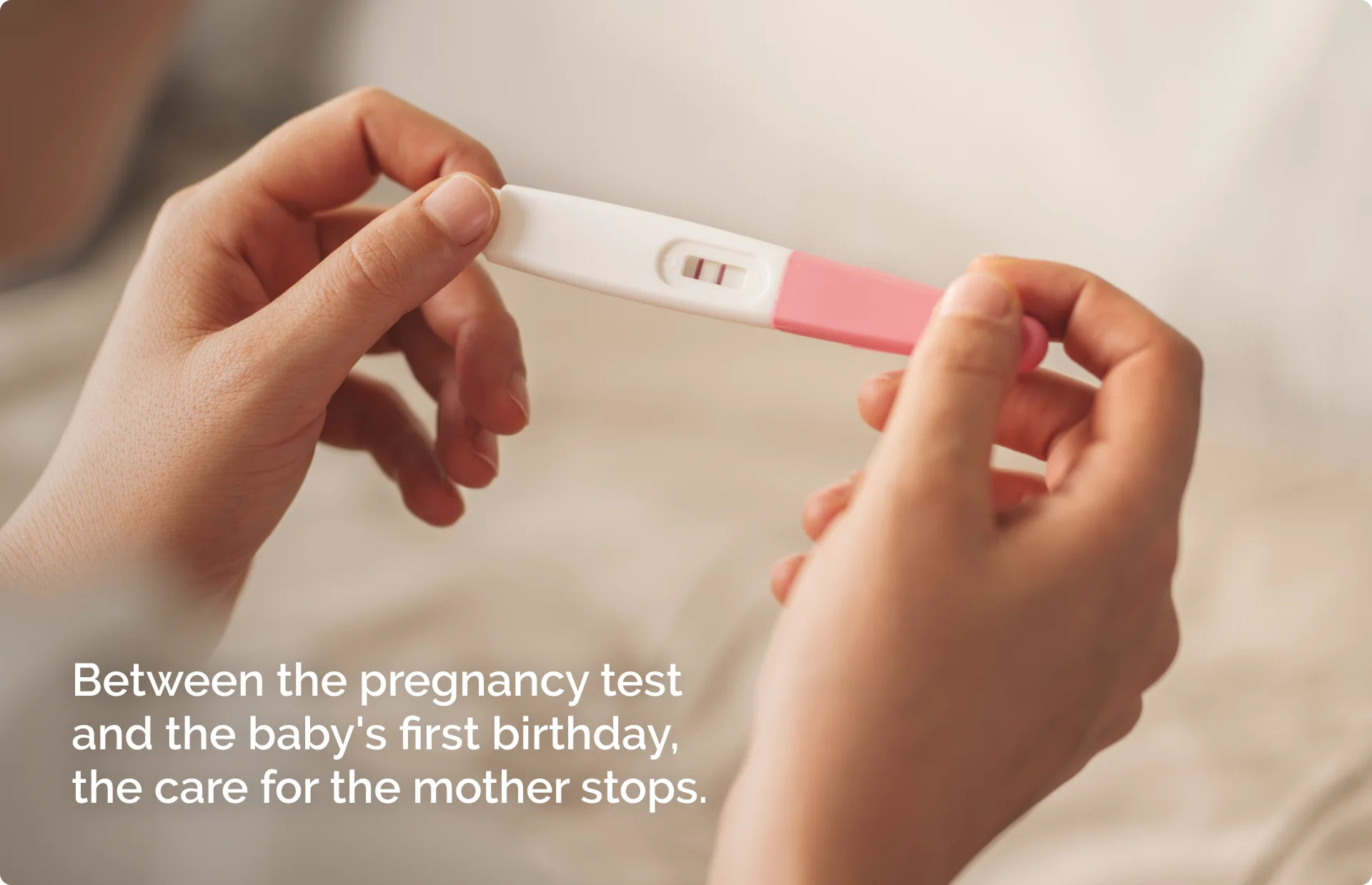
At birth, support for the woman completely halts:
- In digital spaces: The pregnancy tracker transforms into a baby tracker overnight.
- In health systems: The week-six checkup marks her last planned medical visit for an entire year.
- In the home: Early family support fades, shifting all attention solely to the child.
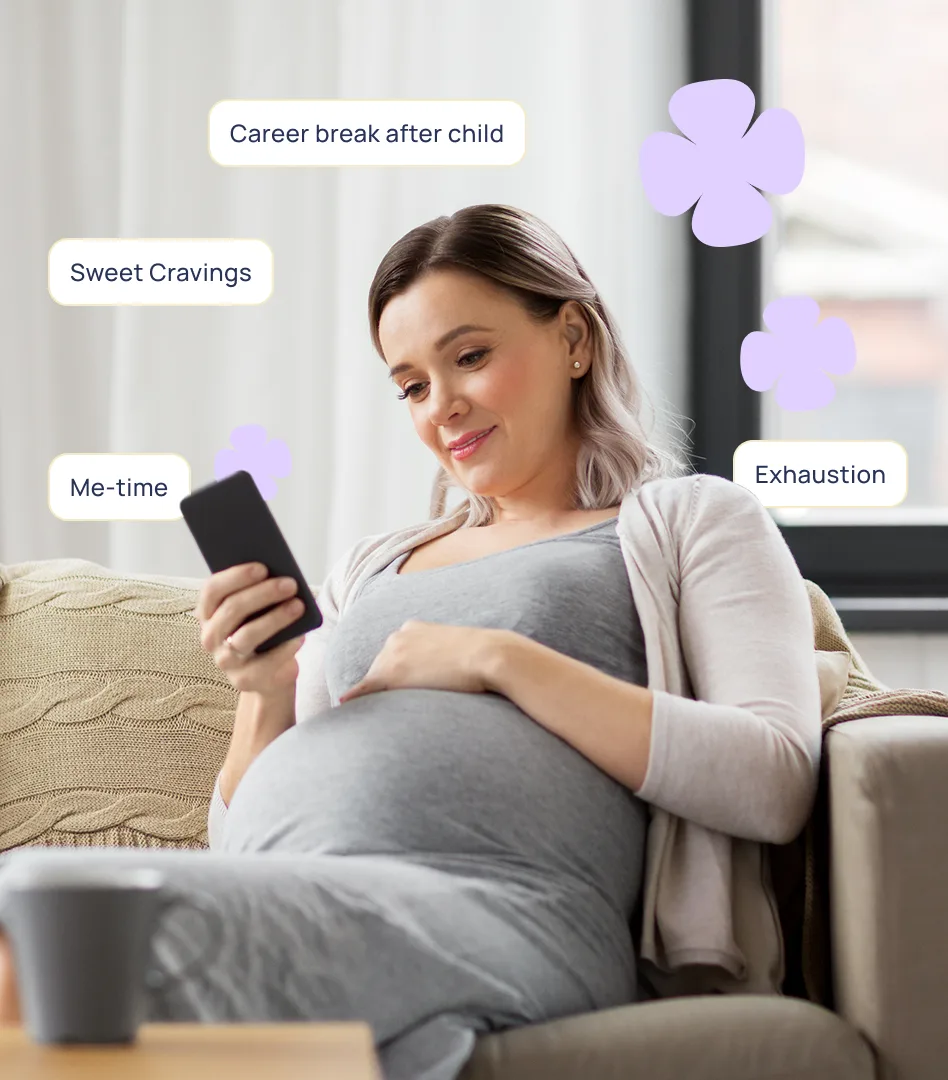
While the mother is expected to give everything to her newborn, no one asks how she slept, feeds her before she asks, or cares for her while she carries the load.
The Insight
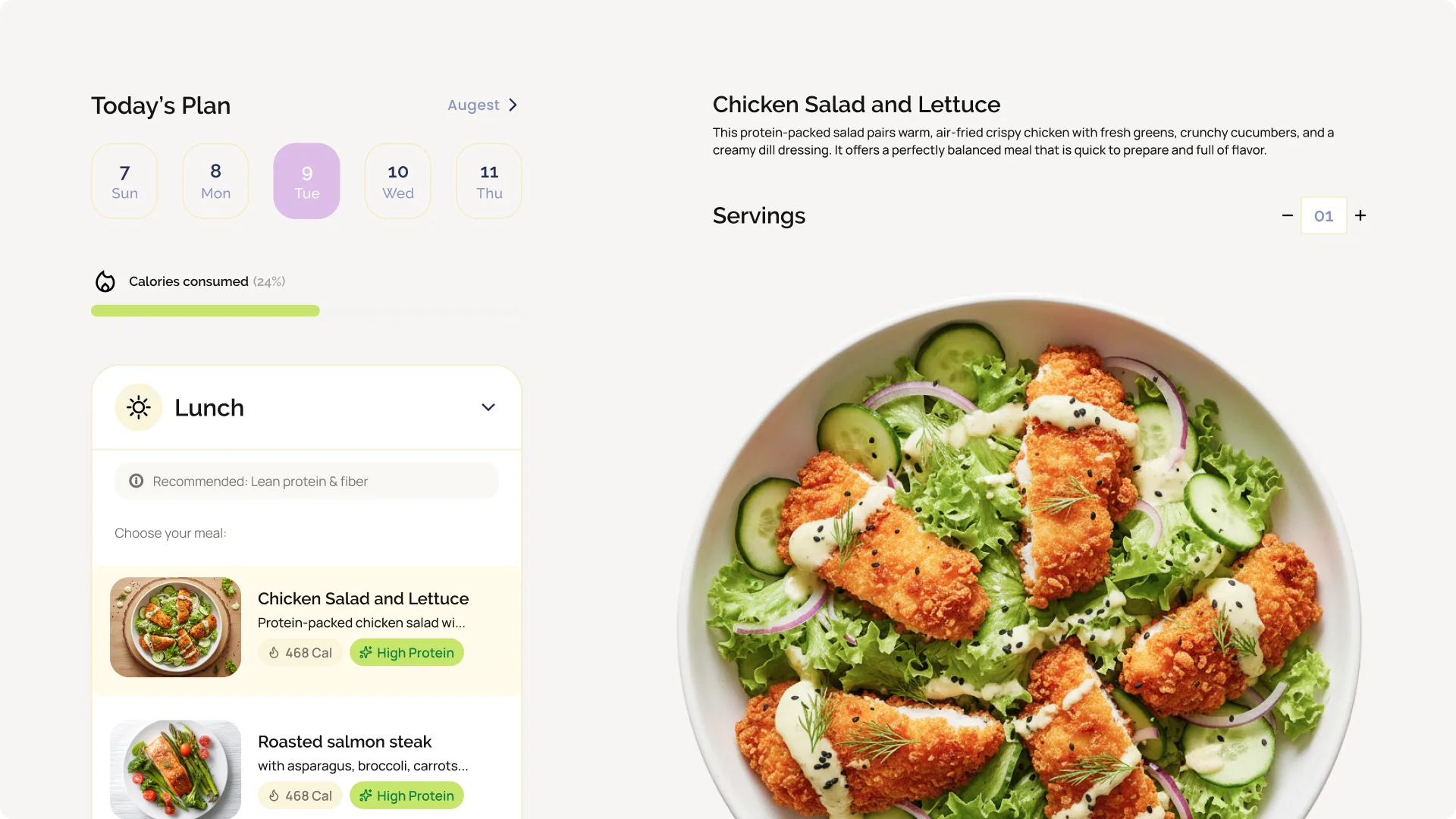
After birth, mothers globally need more support, not less. Yet conventional digital tools deliver the opposite. Nutritional science is unequivocal: a woman’s energy needs peak during lactation—surpassing even pregnancy requirements—at the exact moment systemic support abruptly vanishes. Adoré operates in the void between these two realities.
This establishes a core design principle: the app directs attention where physical need is highest, not where content is novel. It stays present long after birth.
The Journey
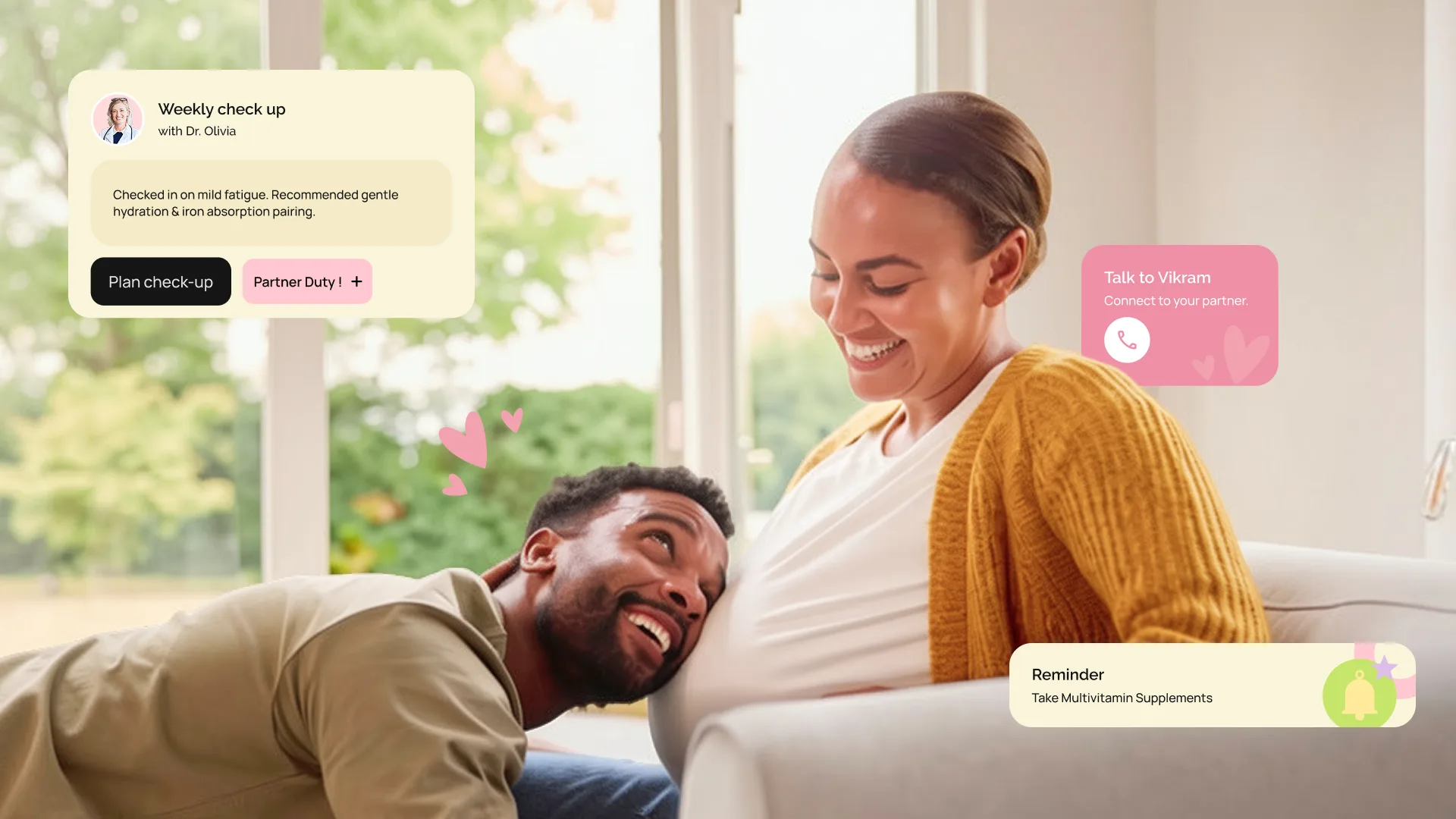
Spanning from pre-pregnancy to twelve months postpartum, the journey map tracks feelings and needs in one shape where two lines cross at birth. Because birth is when most apps step back, Adoré ensures birth changes the state, not the structure. With no new setup required, the companion and check-ins remain identical, keeping iron, nutrition, and mood continuous across birth while forgiving any gaps in use.
Both lines peak at birth, then move apart. The widest gap is the soft band after birth — the months when she is most alone. That gap is where Adoré chooses to stay. The values show the research direction, not measured data.
The Name
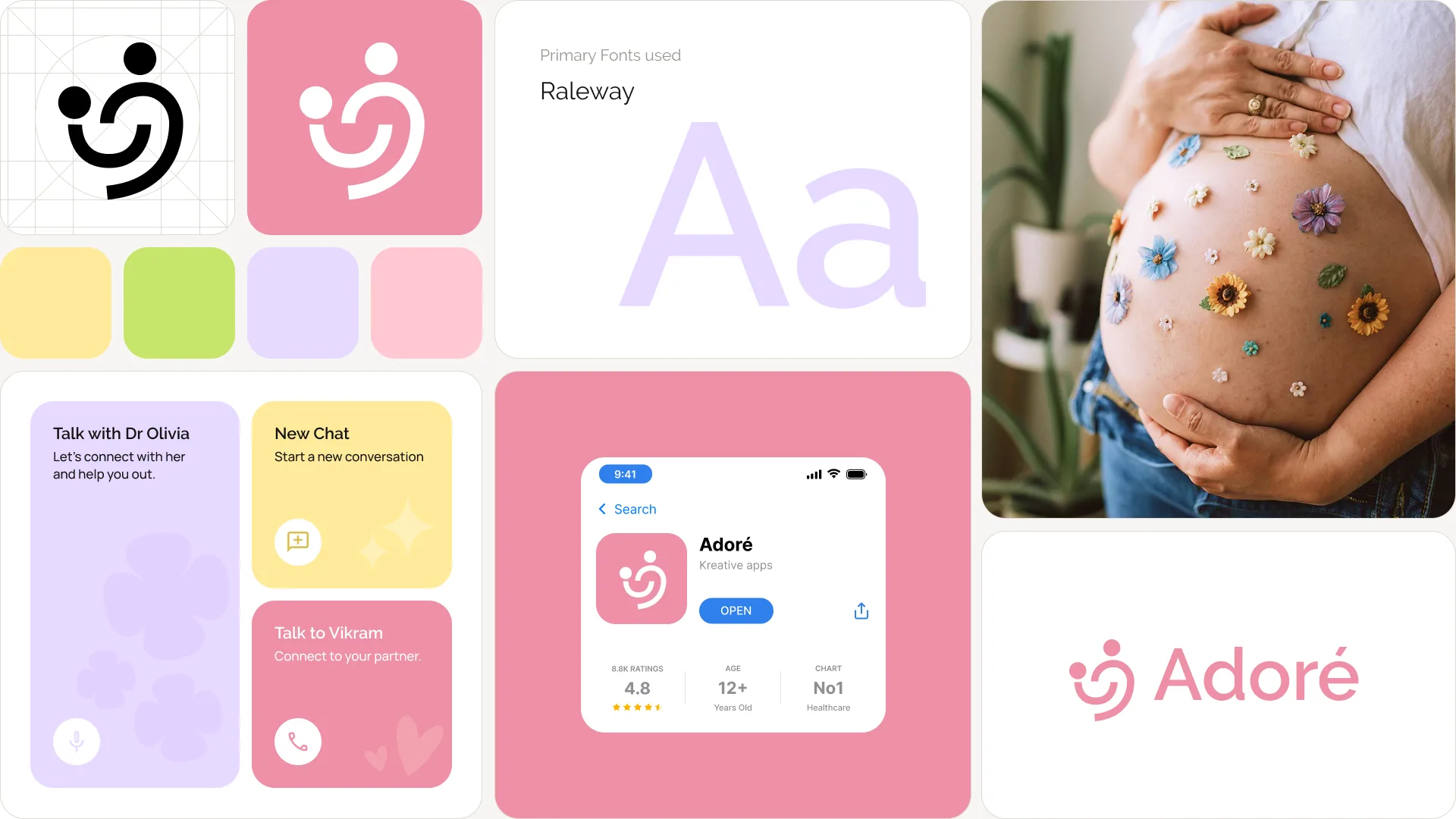
Ador (আদর) is a Bengali word meaning the pure care, holding, and love a person receives, while the French-rooted Adoré means simply “loved.” While every other system shifts its focus entirely to the baby at birth, Adoré stays true to its name: she is still the one to be cared for.
Reflection
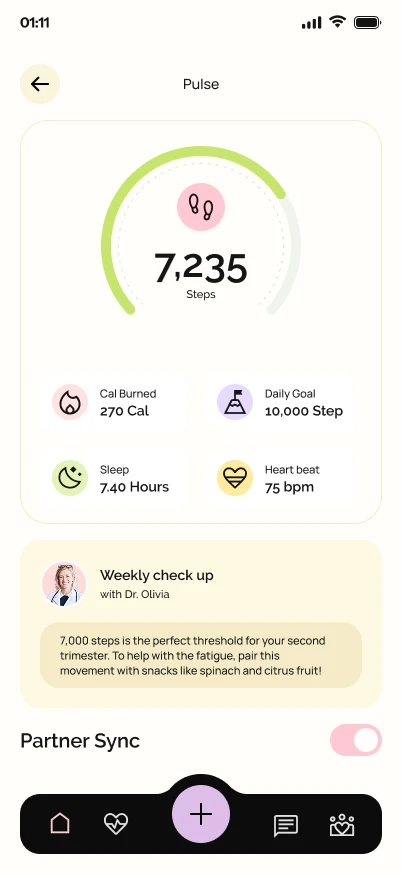
This is a personal project, so the lesson matters more than a finished product. The project taught me to let one idea guide every layer. The same idea, "care for her", shapes the information architecture, the session length, the screening ethics, and the name. When the idea is this clear, the design decisions are easy.
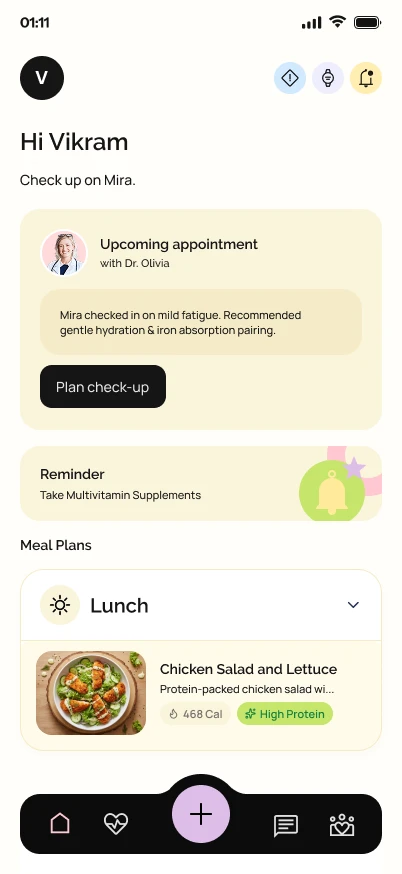
The project also shows the hardest problem in a clear way. In some homes, the partner is the risk. So partner access can never be automatic. Full partner mode needs careful design work, not just a settings switch. The next steps are clear. I will do eight to twelve user interviews to test these personas. I will also do a proper name-availability search before I use the name.